A well-designed tensile structure can provide many years of shade, shelter and protection. But like any permanent structure exposed to the elements, it requires regular attention to continue performing at its best.
For property owners and facility managers, maintenance can sometimes feel like an unnecessary expense—especially when a structure appears to be functioning perfectly.
The reality is that tensile structure maintenance can save you significantly more money in the long run.
Small issues that are identified early can often be repaired before they develop into major problems. Ignoring them, however, can result in fabric damage, corrosion, component failure and, in some cases, the need for extensive fabric structure repair or even complete membrane replacement.
At RAK Structures, we provide maintenance and repair services designed to help clients protect their investment and get the maximum possible lifespan from their structures.
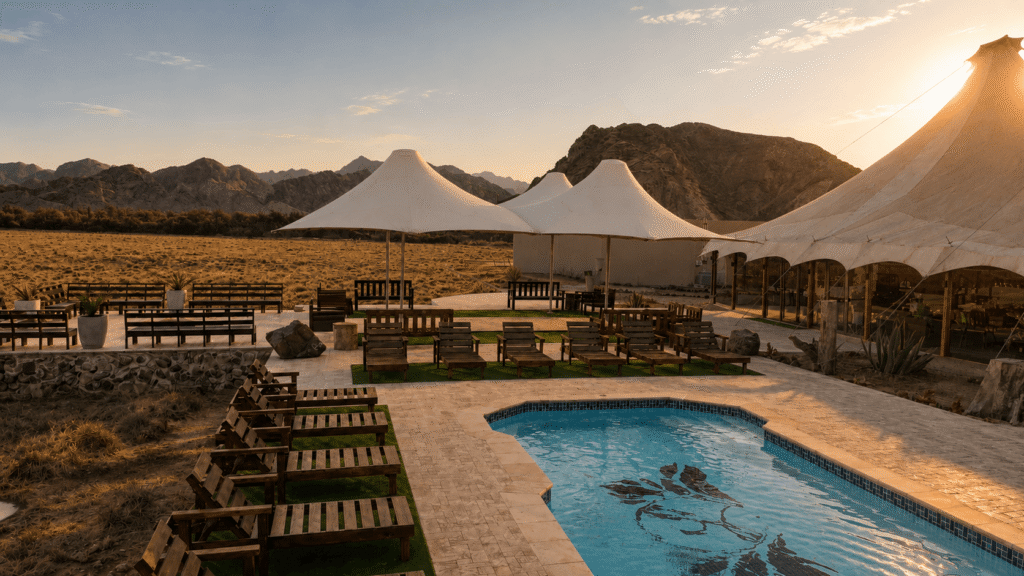
What Is Preventative Maintenance?
Preventative maintenance is the process of regularly inspecting, cleaning, servicing and repairing a structure before serious problems occur.
Instead of waiting until something breaks, preventative maintenance aims to identify potential issues while they are still relatively minor.
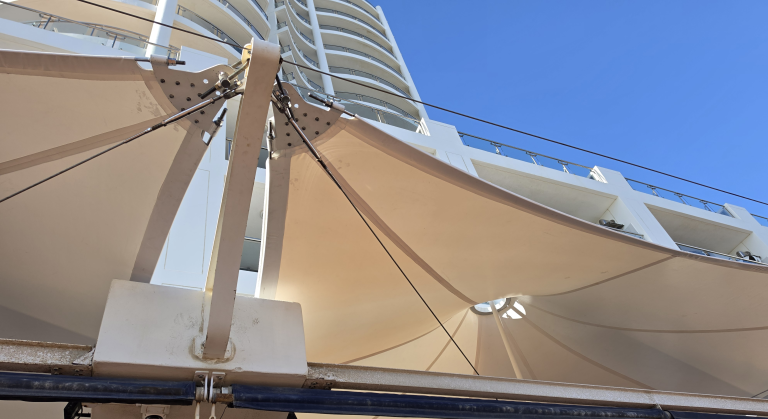
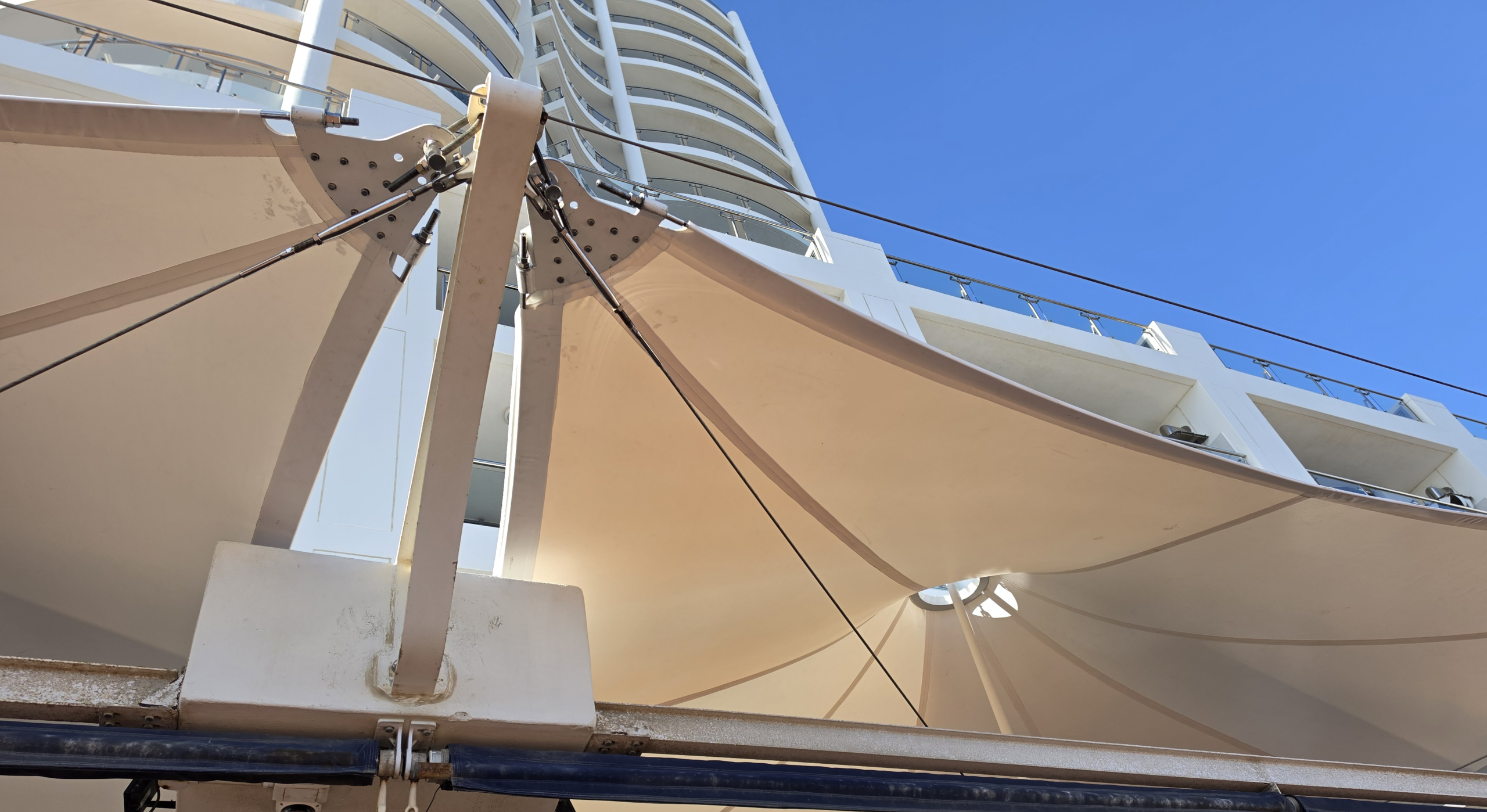
For a tensile structure, this can include inspecting:
- Fabric membranes
- Steelwork and supporting structures
- Cables and connection points
- Bolts, fixings and tensioning components
- Drainage areas
- Welds and seams
- Protective coatings
- Foundations and visible structural elements
The exact maintenance requirements will depend on the design, materials, location, age and environmental exposure of the structure.
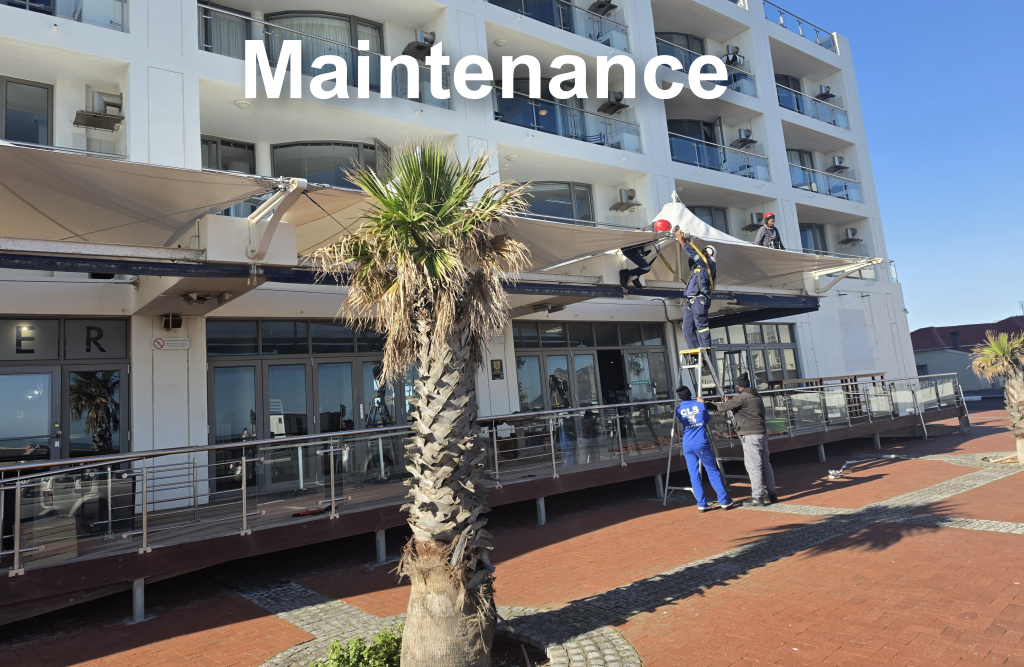
Why Waiting for Something to Break Can Cost More
One of the biggest mistakes property owners can make is treating maintenance as something that only needs to happen when there is an obvious problem.
A small tear in a membrane, for example, may initially appear insignificant.
But continued exposure to wind and movement can cause that damage to grow. What could have been a relatively straightforward fabric structure repair can eventually become a much larger repair—or require the replacement of an entire section of fabric.
The same principle applies to steelwork, cables, fixings and other components.
The earlier a problem is identified, the more options you generally have for dealing with it.
Small Fabric Damage Can Become Major Damage
Tensile membranes are continuously exposed to environmental forces.
Wind, rain, sunlight, dust and temperature changes can all contribute to gradual wear over time.
A small puncture or tear can become progressively worse if it isn’t addressed.
Regular fabric structure maintenance provides an opportunity to identify these issues before they develop further.
Depending on the fabric, location and extent of the damage, an appropriate repair may be able to restore the affected area without replacing the entire membrane.
This is one of the most important financial benefits of preventative maintenance: repairing a small problem is generally preferable to replacing a large component.
Corrosion Doesn’t Always Start Where You Can See It
Fabric is often the most visually obvious component of a tensile structure, but the supporting steelwork deserves just as much attention.
Corrosion can develop around:
- Bolted connections
- Welds
- Base plates
- Drainage areas
- Areas where water collects
- Damaged protective coatings
If corrosion is identified early, the affected area can often be treated before it becomes a more significant structural or maintenance issue.
Ignoring corrosion allows it to progress, potentially increasing the cost and complexity of future repairs.
Regular inspections therefore aren’t just about keeping a structure looking good—they can help protect the structural components that make the entire system possible.
UV Exposure and Environmental Conditions
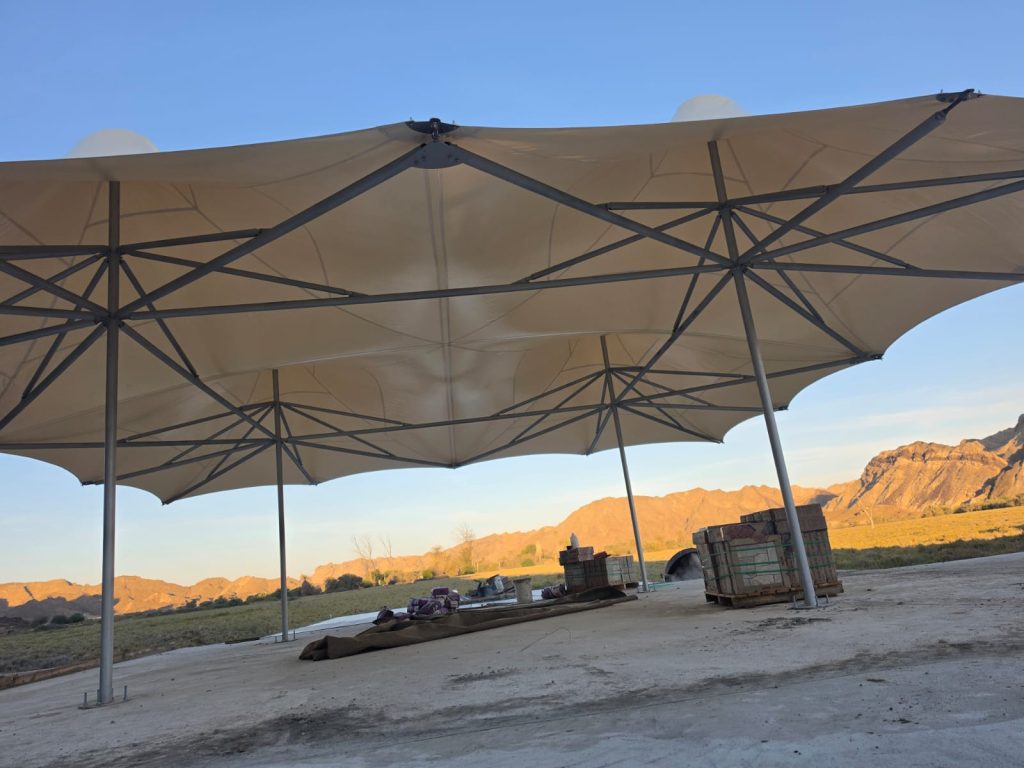
Outdoor structures are exposed to the environment every day.
Ultraviolet radiation, temperature fluctuations, pollution, dust, moisture and biological growth can all contribute to material degradation over time.
The severity of this exposure varies considerably depending on where the structure is installed.
A structure near the coast, for example, may experience very different environmental conditions from one installed inland.
This is why maintenance should be considered in the context of the structure’s location and environment, rather than relying on a one-size-fits-all schedule.
The Fabric Structures Association notes that material selection plays an important role in the performance and durability of fabric structures, with factors such as environmental resistance needing to be considered alongside the structural requirements.
When Should You Consider Tensile Structure Maintenance?
There are several signs that your structure may need professional attention.
Look out for:
Visible tears or punctures
Even small areas of membrane damage should be assessed rather than ignored.
Loose or damaged components
Bolts, cables, fixings and connection components should be checked for signs of movement, wear or deterioration.
Corrosion
Rust or deterioration on steel components can indicate that protective coatings or repairs are required.
Changes in fabric tension
Visible sagging, excessive movement or changes in the membrane’s shape may warrant professional inspection.
Drainage problems
Water collecting where it shouldn’t can indicate blocked drainage or a developing issue with the membrane or its geometry.
Discolouration or excessive dirt
Changes in the appearance of the membrane can sometimes indicate environmental exposure, biological growth or material deterioration.
If you notice any of these signs, it’s better to have the structure assessed before the problem becomes more serious.
Repair or Replace? Understanding Your Options
Not every damaged structure needs to be replaced.
Depending on the condition of the membrane and supporting components, custom structure repair may be a more practical and economical option.
A professional assessment can help determine whether the appropriate solution is:
- Cleaning
- Localised fabric repair
- Component replacement
- Steelwork treatment
- Re-tensioning
- Partial membrane replacement
- Complete re-covering
- Full structure replacement
The correct solution depends on the condition and design of the individual structure.
This is another reason why preventative inspections are valuable: they allow property owners to make informed decisions before deterioration limits their options.
Conclusion
Preventative maintenance isn’t simply about keeping a structure looking good.
It’s about protecting your investment.
Regular inspections, cleaning and timely repairs can help identify problems before they develop into expensive failures. A small tear can potentially be repaired before it becomes a major membrane replacement. Early corrosion treatment can help prevent more extensive steelwork repairs. Keeping drainage systems clear can help avoid unnecessary stress and water-related problems.
For property owners, facility managers and businesses, investing in fabric structure maintenance can therefore be one of the most cost-effective ways to maximise the fabric’s lifespan and performance of an existing tensile membrane structure.
If your structure hasn’t been inspected recently, now may be the right time to have it assessed.
Protect Your Investment with RAK Structures
Whether you need routine maintenance, fabric structure repair, or a professional assessment of an existing structure, RAK Structures can help.
Contact our team to discuss your structure and find the most practical solution for keeping it performing at its best.