When planning a new shade structure, one of the most common questions property owners, architects, and project managers ask is:
“Can tensile fabric catch fire?”
It’s a sensible question. Tensile structures are used in hotels, schools, shopping centres, sports facilities, restaurants, and public spaces where safety is always a top priority.
The good news is that modern Tensile Membrane Structures are not made from ordinary fabric. Instead, they are manufactured using specially engineered materials that are designed to meet strict fire-retardant standards, providing an additional level of safety for commercial and public applications.
At RAK Structures, every Tensile Shade Solution is designed with durability, performance, and safety in mind, ensuring our clients receive structures that perform reliably in demanding environments.
Is Tensile Fabric Fireproof?
The short answer is no—but it is designed to be fire-retardant.
There is an important distinction between fireproof and fire-retardant.
A fireproof material cannot burn under normal circumstances.
A fire-retardant material, however, is specifically engineered to resist ignition, slow the spread of flames, and often self-extinguish once the ignition source is removed.
This makes fire-retardant tensile fabrics significantly safer than ordinary textiles or untreated canvas materials.
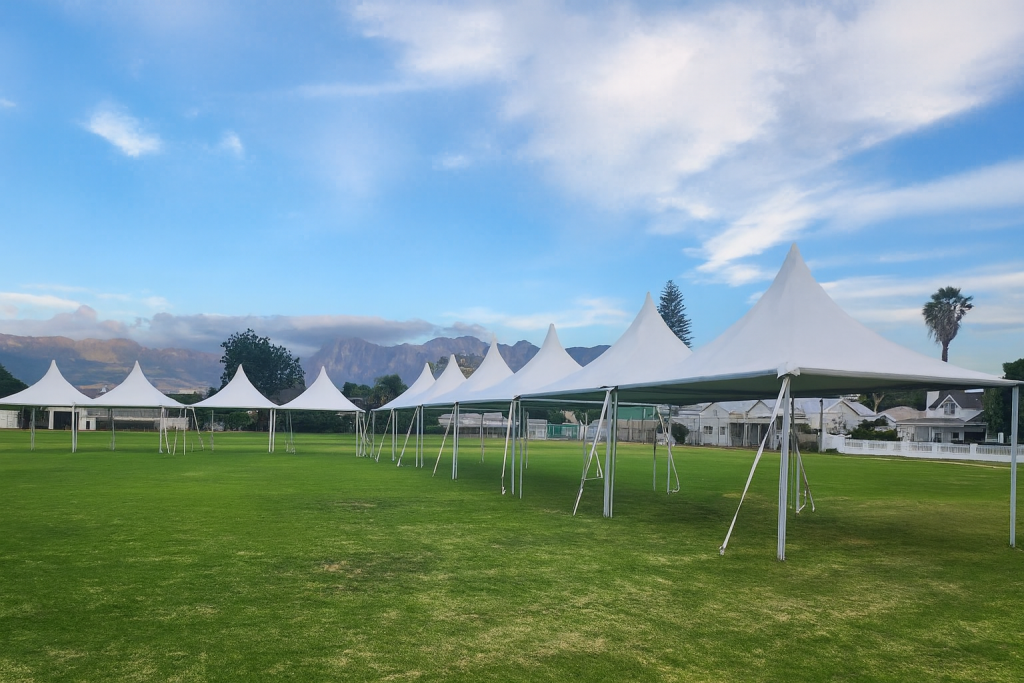
What Materials Are Used in Tensile Membrane Structures?
Most commercial Tensile Membrane Structures are manufactured using high-performance PVC-coated polyester fabrics or PTFE-coated fibreglass membranes.
These materials are chosen because they offer:
- Excellent weather resistance
- Long service life
- UV protection
- High tensile strength
- Fire-retardant properties
- Low maintenance requirements
Unlike traditional fabric canopies, these engineered membranes are designed specifically for permanent architectural applications.
According to the Fabric Structures Association, modern architectural membranes are selected not only for their structural performance but also for durability, weather resistance, and compliance with recognised safety standards.
What Does Fire-Retardant Mean?
Fire-retardant fabrics are engineered to reduce the rate at which flames spread across their surface.
Rather than allowing a fire to rapidly consume the material, the membrane is designed to:
- Resist ignition
- Slow flame spread
- Produce less heat than many conventional materials
- Self-extinguish once the ignition source is removed (depending on the material and conditions)
This additional time can be extremely important in protecting people and reducing damage during an emergency.
Why Fire Safety Matters in Commercial Shade Structures
Many Custom Shade Structures are installed in locations where large numbers of people gather.
Examples include:
- Hotels and resorts
- Schools and universities
- Shopping centres
- Restaurants
- Sporting facilities
- Event venues
- Public parks
- Corporate campuses
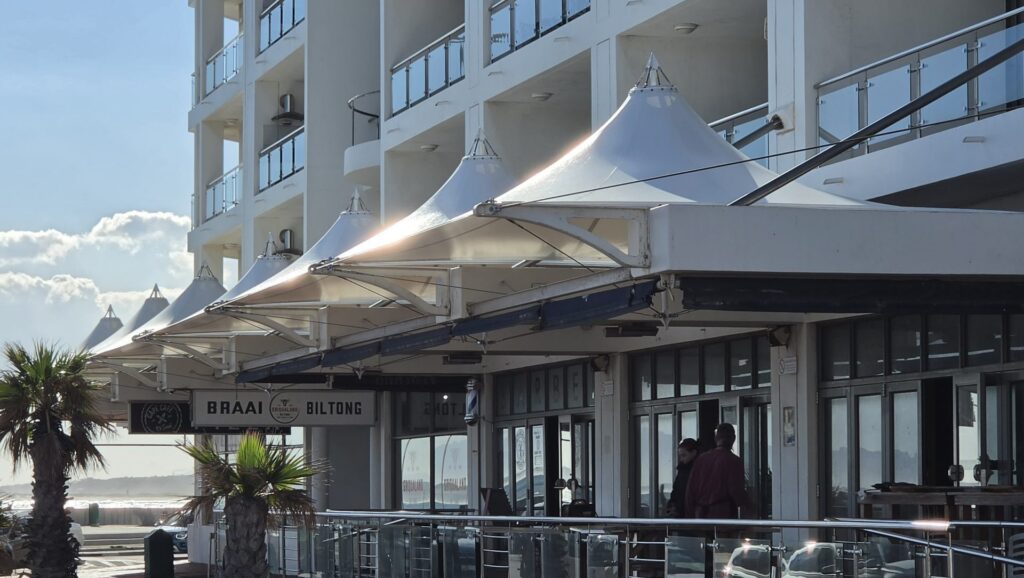
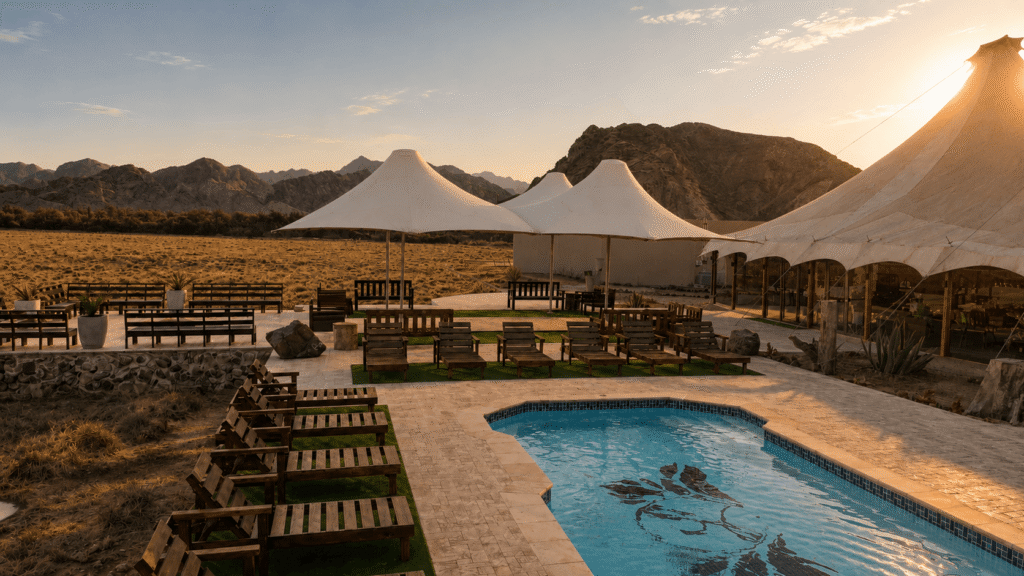
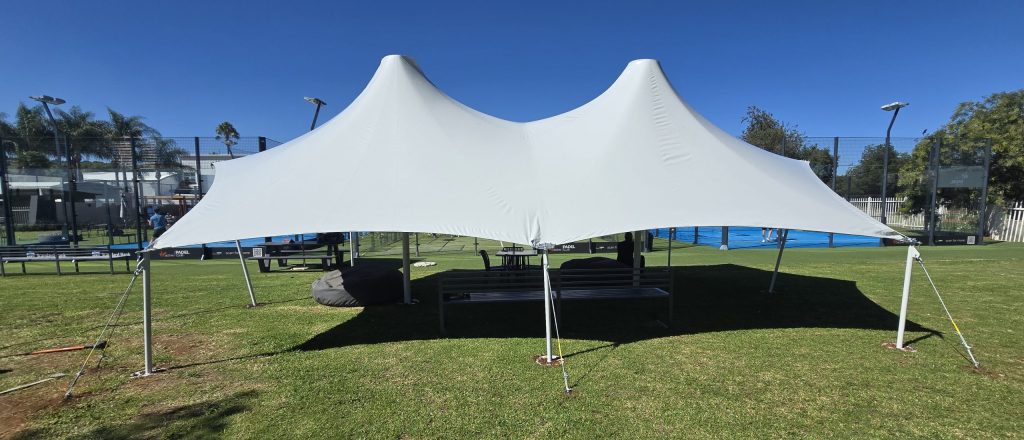
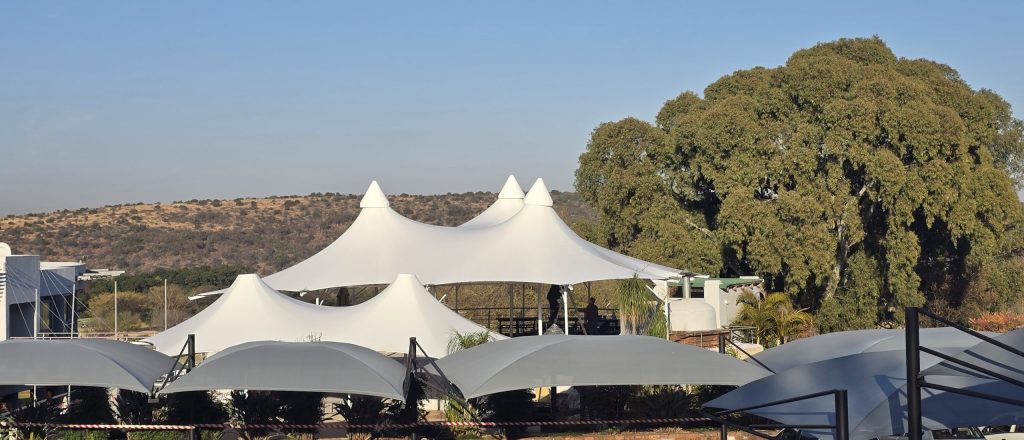
For these environments, selecting a professionally engineered structure manufactured using certified fire-retardant materials is an important part of overall project safety.
Fire performance classifications vary by material and application, and internationally recognised testing standards help verify how architectural membranes behave during a fire. The National Fire Protection Association (NFPA) publishes widely referenced fire safety codes and standards used throughout the construction industry.
Engineering Plays an Important Role Too
Fire safety isn’t determined by the fabric alone.
The overall engineering and design of the structure also contribute to safe performance.
A professionally engineered Tensile Shade Structure considers factors such as:
- Appropriate material selection
- Structural stability
- Safe clearances
- Drainage
- Wind loading
- Long-term durability
Every project should be designed according to its intended use and local building requirements.
Choosing the Right Tensile Structure Manufacturer in Cape Town
Not all shade structures are created equal.
Working with an experienced Tensile Structure Manufacturers in Cape Town helps ensure your project uses quality materials that are appropriate for your application and installed according to recognized engineering practices.
At RAK Structures, our projects are individually engineered to meet each client’s specific requirements while maintaining the high standards expected of permanent commercial installations.
If you’d like to understand why the shape of these structures is just as important as the materials used, read our article Why Are Tensile Structures Curved?
Maintenance Helps Maintain Performance
Although fire-retardant properties are built into quality architectural membranes, regular inspections remain important.
Routine maintenance helps identify:
- Damage to the membrane
- Excessive wear
- Loose fittings
- Environmental deterioration
- Areas requiring repair
Regular maintenance also helps maximise the lifespan and overall performance of your Tensile Membrane Structure.
Frequently Asked Questions
Can tensile fabric catch fire?
Modern tensile fabrics are generally manufactured using fire-retardant materials that resist ignition and slow the spread of flames. They are not considered completely fireproof.
Are all tensile membrane structures fire-retardant?
High-quality commercial tensile membrane structures are commonly manufactured using fire-retardant architectural fabrics, but material specifications should always be confirmed for each project.
Are tensile structures suitable for schools and public buildings?
Yes. Professionally engineered tensile structures are widely used at schools, shopping centres, hotels, sporting facilities, and other public spaces where safety and durability are important.
Does fire-retardant fabric require maintenance?
Like any architectural material, regular inspections and maintenance help ensure the structure continues performing as intended throughout its lifespan.
Conclusion
So, can tensile fabric catch fire?
While no architectural membrane should be described as completely fireproof, professionally manufactured Tensile Membrane Structures are designed using fire-retardant materials that significantly improve safety compared with ordinary fabrics.
Combined with proper engineering, quality manufacturing, and routine maintenance, these materials make modern Tensile Shade Structures a safe, durable, and reliable solution for commercial, educational, hospitality, and public environments.
When you choose RAK Structures, you’re investing in more than just shade—you’re investing in professionally engineered structures designed for long-term performance, safety, and peace of mind.